Login | Create Account | (0)
Visit activase.com | Prescribing Information
Visit cathflo.com | Prescribing Information
Visit tnkase.com | Prescribing Information
 
Lytics

Activase Resource Center: Supporting you in the treatment of acute ischemic stroke (AIS) patients

At Genentech, we are dedicated to supporting healthcare providers and their institutions in delivering quality care to patients. The following resources were developed to help healthcare professionals with treating patients with AIS and the appropriate use of Activase®.

By accessing the resources, it is understood that the downloadable resources found on this webpage are provided under license, free of charge, to any healthcare professionals for reproduction (including by a third party on behalf of the healthcare professional) at any size and in different mediums so long as the resources are reproduced in full, with no omissions. Downloadable resources are © 2026 Genentech, Inc. All other rights reserved.


Filter by

Activase for Acute Ischemic Stroke

HCP Resources

Spoilage Replacement Program
Genentech Patient Foundation
Lytics

Cathflo Resource Center

These resources aim to support quality central venous access device (CVAD) care. Genentech strives to partner with healthcare providers and their institutions to provide support in catheter management and deliver quality care in patients with central lines. The following free resources were developed to help healthcare professionals with the use of Cathflo® Activase®.

By accessing the resources, it is understood that the downloadable resources found on this webpage are provided under license, free of charge, to any healthcare professionals for reproduction (including by a third party on behalf of the healthcare professional) at any size and in different mediums so long as the resources are reproduced in full, with no omissions. Downloadable resources are © 2026 Genentech, Inc. All other rights reserved.


Filter by

Brochure

Pediatric Catheter Management Brochure
Cathflo Activase Patency Service Guide

Dosing and Administration

Cathflo® Dosing and Administration Card

Sticker

Catheter “Dwell” Stickers (50 pieces per pack)

HCP

Cathflo® Virtual In-Service Video
Lytics

Downloadable resources for HCPs treating acute ischemic stroke (AIS) and acute ST elevation myocardial infarction (STEMI)

At Genentech, we take seriously our responsibility in supporting healthcare providers and their institutions as they care for their patients. The following resources were developed to help healthcare professionals in treating AIS and STEMI.

By accessing the resources, it is understood that the downloadable resources found on this webpage are provided under license, free of charge, to any healthcare professionals for reproduction (including by a third party on behalf of the healthcare professional) at any size and in different mediums so long as the resources are reproduced in full, with no omissions. Downloadable resources are © 2026 Genentech, Inc. All other rights reserved.


Filter by

TNKase for Fast Lytic Delivery in AIS and STEMI

Webinar
TNKase® Dosing and Administration Video
TNKase® Eligibility Video
TNKase® AcT Trial Video

Dosing and Administration

TNKase® AIS Dosing Card
TNKase® Pocket Dosing Card

Stroke Assessment

TNKase® Stroke Assessment Education Guide

Stroke Resource Center: Disease education to support your patients

At Genentech, we are dedicated to supporting healthcare providers and their institutions in delivering quality care to patients. The following resources were developed to provide disease education resources to help in diagnosing and assessing stroke.

By accessing the resources, it is understood that the downloadable resources found on this webpage are provided under license, free of charge, to any healthcare professionals for reproduction (including by a third party on behalf of the healthcare professional) at any size and in different mediums so long as the resources are reproduced in full, with no omissions. Downloadable resources are © 2026 Genentech, Inc. All other rights reserved.


Filter by

Stroke

Stroke Awareness

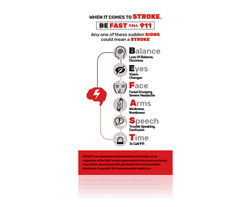
BE FAST Magnet
BE FAST Badge Buddy
BE FAST Wallet Card
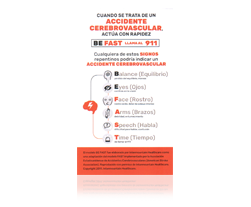
BE FAST Spanish Wallet Card
Stroke Urgency Patient Brochure

Webinar

Webinar: Assessing stroke in patients with low NIHSS scores
Webinar: Considering disability in patients with low NIHSS scores

Diagnosing Stroke

Stroke Triage Poster (small)

Assessing Disability

National Institutes of Health Stroke Scale (NIHSS) Testing Tool (English)
National Institutes of Health Stroke Scale (NIHSS) Testing Tool (Spanish)
Assessing disability beyond the NIHSS

Important Safety Information & Indication

Back to Top  
See More  

Indications

Activase® (alteplase) is indicated for the treatment of acute ischemic stroke. Exclude intracranial hemorrhage as the primary cause of stroke signs and symptoms prior to initiation of treatment. Initiate treatment as soon as possible but within 3 hours after symptom onset.

Activase is indicated for use in acute myocardial infarction (AMI) for the reduction of mortality and reduction of the incidence of heart failure.

Limitation of Use: The risk of stroke may outweigh the benefit produced by thrombolytic therapy in patients whose AMI puts them at low risk for death or heart failure.

Activase is indicated for the lysis of acute massive pulmonary embolism (PE), defined as:

  • Acute pulmonary emboli obstructing blood flow to a lobe or multiple lung segments.
  • Acute pulmonary emboli accompanied by unstable hemodynamics, e.g., failure to maintain blood pressure without supportive measures.

Important Safety Information

Contraindications

Do not administer Activase to treat acute ischemic stroke in the following situations in which the risk of bleeding is greater than the potential benefit: current intracranial hemorrhage (ICH); subarachnoid hemorrhage; active internal bleeding; recent (within 3 months) intracranial or intraspinal surgery or serious head trauma; presence of intracranial conditions that may increase the risk of bleeding (e.g., some neoplasms, arteriovenous malformations, or aneurysms); bleeding diathesis; and current severe uncontrolled hypertension.

Do not administer Activase to treat acute myocardial infarction or pulmonary embolism in the following situations in which the risk of bleeding is greater than the potential benefit: active internal bleeding; history of recent stroke; recent (within 3 months) intracranial or intraspinal surgery or serious head trauma; presence of intracranial conditions that may increase the risk of bleeding; bleeding diathesis; and current severe uncontrolled hypertension.

Warnings and Precautions

Bleeding

Activase can cause significant, sometimes fatal internal or external bleeding, especially at arterial and venous puncture sites. Avoid intramuscular injections and trauma to the patient. Perform venipunctures carefully and only as required. Fatal cases of hemorrhage associated with traumatic intubation in patients administered Activase have been reported. Aspirin and heparin have been administered concomitantly with and following infusion with Activase in the management of acute myocardial infarction and pulmonary embolism. The concomitant administration of heparin and aspirin with and following infusions of Activase for the treatment of acute ischemic stroke during the first 24 hours after symptom onset has not been investigated. Because heparin, aspirin, or Activase may cause bleeding complications, carefully monitor for bleeding, especially at arterial puncture sites. Hemorrhage can occur 1 or more days after administration of Activase, while patients are still receiving anticoagulant therapy. If serious bleeding occurs, terminate the Activase infusion, and treat appropriately.

In the following conditions, the risks of bleeding with Activase are increased and should be weighed against the anticipated benefits: recent major surgery or procedure; cerebrovascular disease; recent intracranial hemorrhage; recent gastrointestinal or genitourinary bleeding; recent trauma; hypertension; acute pericarditis; subacute bacterial endocarditis; hemostatic defects including those secondary to severe hepatic or renal disease; significant hepatic dysfunction; pregnancy; diabetic hemorrhagic retinopathy or other hemorrhagic ophthalmic conditions; septic thrombophlebitis or occluded AV cannula at seriously infected site; advanced age; and patients currently receiving oral anticoagulants, or any other condition in which bleeding constitutes a significant hazard or would be particularly difficult to manage because of its location.

Hypersensitivity

Hypersensitivity, including urticarial / anaphylactic reactions, have been reported after administration of Activase. Rare fatal outcome for hypersensitivity was reported. Angioedema has been observed during and up to 2 hours after Activase infusion in patients treated for acute ischemic stroke and acute myocardial infarction. In many cases, patients received concomitant angiotensin-converting enzyme inhibitors. Monitor patients treated with Activase during and for several hours after infusion for hypersensitivity. If signs of hypersensitivity occur, e.g. anaphylactoid reaction or angioedema develops, discontinue the Activase infusion and promptly institute appropriate therapy (e.g., antihistamines, intravenous corticosteroids, epinephrine).

Thromboembolism

The use of thrombolytics can increase the risk of thrombo-embolic events in patients with high likelihood of left heart thrombus, such as patients with mitral stenosis or atrial fibrillation. Activase has not been shown to treat adequately underlying deep vein thrombosis in patients with PE. Consider the possible risk of re-embolization due to the lysis of underlying deep venous thrombi in this setting.

Cholesterol Embolization

Cholesterol embolism, sometimes fatal, has been reported rarely in patients treated with thrombolytic agents; the true incidence is unknown. It is associated with invasive vascular procedures (e.g., cardiac catheterization, angiography, vascular surgery) and/or anticoagulant therapy.

Coagulation Tests May be Unreliable during Activase Therapy

Coagulation tests and/or measures of fibrinolytic activity may be unreliable during Activase therapy unless specific precautions are taken to prevent in vitro artifacts. When present in blood at pharmacologic concentrations, Activase remains active under in vitro conditions, which can result in degradation of fibrinogen in blood samples removed for analysis.

Adverse Reactions

The most frequent adverse reaction associated with Activase therapy is bleeding.

Please see the full Prescribing Information for additional Important Safety Information.

Important Safety Information & Indication

Back to Top  
See More  

Indication

Cathflo® Activase® (alteplase) is indicated for the restoration of function to central venous access devices as assessed by the ability to withdraw blood.

Important Safety Information

Contraindications

Cathflo Activase should not be administered to patients with known hypersensitivity to alteplase or any component of the formulation.

Precautions

General

Certain causes of catheter dysfunction should be considered before treatment with Cathflo Activase (e.g. catheter malposition, mechanical failure, constriction by a suture and lipid deposits or drug precipitates within the catheter lumen). These types of conditions should be considered before treatment with Cathflo Activase.

Excessive pressure should be avoided when Cathflo Activase is instilled into the catheter. Such force could cause rupture of the catheter or expulsion of the clot into the circulation.

Bleeding

The most frequent adverse reaction associated with all thrombolytics in all approved indications is bleeding. Cathflo Activase has not been studied in patients known to be at risk for bleeding events that may be associated with the use of thrombolytics. Caution should be exercised with patients who have any condition for which bleeding constitutes a significant hazard.

Should serious bleeding in a critical location (e.g., intracranial, gastrointestinal, retroperitoneal, pericardial) occur, treatment with Cathflo Activase should be stopped and the drug should be withdrawn from the catheter.

Infections

Cathflo Activase should be used with caution in the presence of known or suspected infection in the catheter. Using Cathflo Activase in patients with infected catheters may release a localized infection into the systemic circulation. As with all catheterization procedures, care should be used to maintain aseptic technique.

Hypersensitivity

Hypersensitivity, including urticaria, angioedema and anaphylaxis, has been reported in association with use of Cathflo Activase. Monitor patients treated with Cathflo Activase for signs of hypersensitivity and treat appropriately if necessary.

Drug Interactions and Drug/Laboratory Test Interactions

The interaction of Cathflo Activase with other drugs has not been formally studied. Concomitant use of drugs affecting coagulation and/or platelet function has not been studied.

Potential interactions between Cathflo Activase and laboratory tests have not been studied.

Carcinogenesis, Mutagenesis, Impairment of Fertility

Long-term studies in animals have not been performed to evaluate the carcinogenic potential or the effect on fertility.

Pregnancy

There are no adequate and well-controlled studies in pregnant women. Cathflo Activase should be used during pregnancy only if the potential benefit justifies the potential risk to the fetus.

Adverse Reactions

In clinical trials, the most serious adverse events reported after treatment were sepsis, gastrointestinal bleeding, and venous thrombosis.

You may report side effects to the FDA at (800) FDA-1088 or www.fda.gov/medwatch. You may also report side effects to Genentech at (888) 835-2555.

Please see full Prescribing Information for additional Important Safety Information.

Important Safety Information & Indications

Back to Top  
See More  

Indications

Acute Ischemic Stroke

TNKase (tenecteplase) is indicated for the treatment of acute ischemic stroke (AIS) in adults.

Acute ST Elevation Myocardial Infarction

TNKase is indicated to reduce the risk of death associated with acute ST elevation myocardial infarction (STEMI) in adults.

Important Safety Information

Contraindications

TNKase is contraindicated in any patients with:
  • Active internal bleeding
  • Intracranial or intraspinal surgery or trauma within 2 months
  • Known bleeding diathesis
  • Current severe uncontrolled hypertension
  • Presence of intracranial conditions that may increase the risk of bleeding (eg, intracranial neoplasm, arteriovenous malformation, or aneurysm)
TNKase is also contraindicated in patients for the treatment of AIS with:
  • Active intracranial hemorrhage
TNKase is also contraindicated in patients for the treatment of STEMI with:
  • History of intracranial hemorrhage
  • History of ischemic stroke within 3 months

Warnings and Precautions

Bleeding

TNKase can cause significant, sometimes fatal, internal or external bleeding, especially at arterial and venous puncture sites. Concomitant use of other drugs that impair hemostasis increases the risk of bleeding. Avoid intramuscular injections and trauma to the patient while on TNKase. Perform arterial and venous punctures carefully and only as required. To minimize bleeding from noncompressible sites, avoid internal jugular and subclavian venous punctures. If an arterial puncture is necessary during TNKase administration, use an upper extremity vessel that is accessible to manual compression, apply pressure for at least 30 minutes, and monitor the puncture site closely. Should serious bleeding that is not controlled by local pressure occur, discontinue any concomitant heparin or antiplatelet agents immediately and treat appropriately.

Aspirin and heparin have been administered concomitantly with and following administration of TNKase in the management of acute myocardial infarction, but the concomitant administration of heparin and aspirin with and following administration of TNKase for the treatment of acute ischemic stroke during the first 24 hours after symptom onset has not been investigated. Because heparin, aspirin, or TNKase may cause bleeding complications, carefully monitor for bleeding, especially at arterial puncture sites. Hemorrhage can occur 1 or more days after administration of TNKase, while patients are still receiving anticoagulant therapy.

In the following conditions, the risks of bleeding with TNKase therapy for all approved indications are increased and should be weighed against the anticipated benefits: recent major surgery or procedure, (eg, coronary artery bypass graft, obstetrical delivery, organ biopsy, previous puncture of noncompressible vessels); cerebrovascular disease; recent intracranial hemorrhage (if not contraindicated); recent gastrointestinal or genitourinary bleeding; recent trauma; hypertension: systolic BP above 175 mm Hg or diastolic BP above 110 mm Hg; acute pericarditis; subacute bacterial endocarditis; hemostatic defects including those secondary to severe hepatic or renal disease; significant hepatic dysfunction; pregnancy; diabetic hemorrhagic retinopathy or other hemorrhagic ophthalmic conditions; septic thrombophlebitis or occluded AV cannula at seriously infected site; advanced age; patients currently receiving anticoagulants; or any other condition in which bleeding constitutes a significant hazard or would be particularly difficult to manage because of its location.

Hypersensitivity

Hypersensitivity, including urticarial/anaphylactic reactions, have been reported after administration of TNKase (eg, anaphylaxis, angioedema, laryngeal edema, rash, and urticaria). Monitor patients treated with TNKase during and for several hours after administration. If symptoms of hypersensitivity occur, initiate appropriate therapy (eg, antihistamines, corticosteroids, or epinephrine).

Thromboembolism

The use of thrombolytics can increase the risk of thrombo-embolic events in patients with high likelihood of left heart thrombus, such as patients with mitral stenosis or atrial fibrillation.

Cholesterol Embolization

Cholesterol embolism has been reported in patients treated with thrombolytic agents. Investigate cause of any new embolic event and treat appropriately.

Arrhythmias

Coronary thrombolysis may result in arrhythmias associated with reperfusion. It is recommended that anti-arrhythmic therapy for bradycardia and/or ventricular irritability be available when TNKase is administered.

Increased Risk of Heart Failure and Recurrent Ischemia When Used With Planned Percutaneous Coronary Intervention (PCI) in STEMI

In a trial of patients with STEMI, there were worse outcomes in the individual components of the primary endpoint between TNKase plus PCI versus PCI alone (mortality 6.7% vs 4.9%, respectively; cardiogenic shock 6.3% vs. 4.8%, respectively; and CHF 12% vs 9.2%, respectively). In addition, there were trends towards worse outcomes in recurrent MI (6.1% vs 3.7%, respectively; p=0.03) and repeat target vessel revascularization (6.6% vs 3.4%, respectively; p=0.0045). In patients with large ST segment elevation myocardial infarction, physicians should choose either thrombolysis or PCI as the primary treatment strategy for reperfusion. Rescue PCI or subsequent elective PCI may be performed after administration of thrombolytic therapies if medically appropriate; however, the optimal use of adjunctive antithrombotic and antiplatelet therapies in this setting is unknown.

Adverse Reactions

The most common adverse reaction is bleeding.

Drug Interactions

Drug/Laboratory Test Interactions

During TNKase therapy, results of coagulation tests and/or measures of fibrinolytic activity may be unreliable unless specific precautions are taken to prevent in vitro artifacts. Tenecteplase is an enzyme that, when present in blood in pharmacologic concentrations, remains active under in vitro conditions. This can lead to degradation of fibrinogen in blood samples removed for analysis.

Patient Counseling Information

Bleeding

Inform patients that bleeding can occur 1 or more days after administration of TNKase. Instruct patients to contact a healthcare provider if they experience signs or symptoms consistent with bleeding (eg, unusual bruising; pink or brown urine; red, black, or tarry stools; coughing up blood; vomiting blood or blood that looks like coffee grounds) or symptoms of a stroke.

You may report side effects to the FDA at 1-800-FDA-1088 or www.fda.gov/medwatch. You may also report side effects to Genentech at 1-888-835-2555.

Please see full Prescribing Information for additional Important Safety Information.

Important Safety Information & Indication

Back to Top  
See More  

Indications

Activase® (alteplase) is indicated for the treatment of acute ischemic stroke. Exclude intracranial hemorrhage as the primary cause of stroke signs and symptoms prior to initiation of treatment. Initiate treatment as soon as possible but within 3 hours after symptom onset.

Activase is indicated for use in acute myocardial infarction (AMI) for the reduction of mortality and reduction of the incidence of heart failure.

Limitation of Use: The risk of stroke may outweigh the benefit produced by thrombolytic therapy in patients whose AMI puts them at low risk for death or heart failure.

Activase is indicated for the lysis of acute massive pulmonary embolism (PE), defined as:

  • Acute pulmonary emboli obstructing blood flow to a lobe or multiple lung segments.
  • Acute pulmonary emboli accompanied by unstable hemodynamics, e.g., failure to maintain blood pressure without supportive measures.

Important Safety Information

Contraindications

Do not administer Activase to treat acute ischemic stroke in the following situations in which the risk of bleeding is greater than the potential benefit: current intracranial hemorrhage (ICH); subarachnoid hemorrhage; active internal bleeding; recent (within 3 months) intracranial or intraspinal surgery or serious head trauma; presence of intracranial conditions that may increase the risk of bleeding (e.g., some neoplasms, arteriovenous malformations, or aneurysms); bleeding diathesis; and current severe uncontrolled hypertension.

Do not administer Activase to treat acute myocardial infarction or pulmonary embolism in the following situations in which the risk of bleeding is greater than the potential benefit: active internal bleeding; history of recent stroke; recent (within 3 months) intracranial or intraspinal surgery or serious head trauma; presence of intracranial conditions that may increase the risk of bleeding; bleeding diathesis; and current severe uncontrolled hypertension.

Warnings and Precautions

Bleeding

Activase can cause significant, sometimes fatal internal or external bleeding, especially at arterial and venous puncture sites. Avoid intramuscular injections and trauma to the patient. Perform venipunctures carefully and only as required. Fatal cases of hemorrhage associated with traumatic intubation in patients administered Activase have been reported. Aspirin and heparin have been administered concomitantly with and following infusion with Activase in the management of acute myocardial infarction and pulmonary embolism. The concomitant administration of heparin and aspirin with and following infusions of Activase for the treatment of acute ischemic stroke during the first 24 hours after symptom onset has not been investigated. Because heparin, aspirin, or Activase may cause bleeding complications, carefully monitor for bleeding, especially at arterial puncture sites. Hemorrhage can occur 1 or more days after administration of Activase, while patients are still receiving anticoagulant therapy. If serious bleeding occurs, terminate the Activase infusion, and treat appropriately.

In the following conditions, the risks of bleeding with Activase are increased and should be weighed against the anticipated benefits: recent major surgery or procedure; cerebrovascular disease; recent intracranial hemorrhage; recent gastrointestinal or genitourinary bleeding; recent trauma; hypertension; acute pericarditis; subacute bacterial endocarditis; hemostatic defects including those secondary to severe hepatic or renal disease; significant hepatic dysfunction; pregnancy; diabetic hemorrhagic retinopathy or other hemorrhagic ophthalmic conditions; septic thrombophlebitis or occluded AV cannula at seriously infected site; advanced age; and patients currently receiving oral anticoagulants, or any other condition in which bleeding constitutes a significant hazard or would be particularly difficult to manage because of its location.

Hypersensitivity

Hypersensitivity, including urticarial / anaphylactic reactions, have been reported after administration of Activase. Rare fatal outcome for hypersensitivity was reported. Angioedema has been observed during and up to 2 hours after Activase infusion in patients treated for acute ischemic stroke and acute myocardial infarction. In many cases, patients received concomitant angiotensin-converting enzyme inhibitors. Monitor patients treated with Activase during and for several hours after infusion for hypersensitivity. If signs of hypersensitivity occur, e.g. anaphylactoid reaction or angioedema develops, discontinue the Activase infusion and promptly institute appropriate therapy (e.g., antihistamines, intravenous corticosteroids, epinephrine).

Thromboembolism

The use of thrombolytics can increase the risk of thrombo-embolic events in patients with high likelihood of left heart thrombus, such as patients with mitral stenosis or atrial fibrillation. Activase has not been shown to treat adequately underlying deep vein thrombosis in patients with PE. Consider the possible risk of re-embolization due to the lysis of underlying deep venous thrombi in this setting.

Cholesterol Embolization

Cholesterol embolism, sometimes fatal, has been reported rarely in patients treated with thrombolytic agents; the true incidence is unknown. It is associated with invasive vascular procedures (e.g., cardiac catheterization, angiography, vascular surgery) and/or anticoagulant therapy.

Coagulation Tests May be Unreliable during Activase Therapy

Coagulation tests and/or measures of fibrinolytic activity may be unreliable during Activase therapy unless specific precautions are taken to prevent in vitro artifacts. When present in blood at pharmacologic concentrations, Activase remains active under in vitro conditions, which can result in degradation of fibrinogen in blood samples removed for analysis.

Adverse Reactions

The most frequent adverse reaction associated with Activase therapy is bleeding.

Please see the full Prescribing Information for additional Important Safety Information.

Important Safety Information & Indication

Back to Top  
See More  

Indication

Cathflo® Activase® (alteplase) is indicated for the restoration of function to central venous access devices as assessed by the ability to withdraw blood.

Important Safety Information

Contraindications

Cathflo Activase should not be administered to patients with known hypersensitivity to alteplase or any component of the formulation.

Precautions

General

Certain causes of catheter dysfunction should be considered before treatment with Cathflo Activase (e.g. catheter malposition, mechanical failure, constriction by a suture and lipid deposits or drug precipitates within the catheter lumen). These types of conditions should be considered before treatment with Cathflo Activase.

Excessive pressure should be avoided when Cathflo Activase is instilled into the catheter. Such force could cause rupture of the catheter or expulsion of the clot into the circulation.

Bleeding

The most frequent adverse reaction associated with all thrombolytics in all approved indications is bleeding. Cathflo Activase has not been studied in patients known to be at risk for bleeding events that may be associated with the use of thrombolytics. Caution should be exercised with patients who have any condition for which bleeding constitutes a significant hazard.

Should serious bleeding in a critical location (e.g., intracranial, gastrointestinal, retroperitoneal, pericardial) occur, treatment with Cathflo Activase should be stopped and the drug should be withdrawn from the catheter.

Infections

Cathflo Activase should be used with caution in the presence of known or suspected infection in the catheter. Using Cathflo Activase in patients with infected catheters may release a localized infection into the systemic circulation. As with all catheterization procedures, care should be used to maintain aseptic technique.

Hypersensitivity

Hypersensitivity, including urticaria, angioedema and anaphylaxis, has been reported in association with use of Cathflo Activase. Monitor patients treated with Cathflo Activase for signs of hypersensitivity and treat appropriately if necessary.

Drug Interactions and Drug/Laboratory Test Interactions

The interaction of Cathflo Activase with other drugs has not been formally studied. Concomitant use of drugs affecting coagulation and/or platelet function has not been studied.

Potential interactions between Cathflo Activase and laboratory tests have not been studied.

Carcinogenesis, Mutagenesis, Impairment of Fertility

Long-term studies in animals have not been performed to evaluate the carcinogenic potential or the effect on fertility.

Pregnancy

There are no adequate and well-controlled studies in pregnant women. Cathflo Activase should be used during pregnancy only if the potential benefit justifies the potential risk to the fetus.

Adverse Reactions

In clinical trials, the most serious adverse events reported after treatment were sepsis, gastrointestinal bleeding, and venous thrombosis.

You may report side effects to the FDA at (800) FDA-1088 or www.fda.gov/medwatch. You may also report side effects to Genentech at (888) 835-2555.

Please see full Prescribing Information for additional Important Safety Information.

Important Safety Information & Indications

Back to Top  
See More  

Indications

Acute Ischemic Stroke

TNKase (tenecteplase) is indicated for the treatment of acute ischemic stroke (AIS) in adults.

Acute ST Elevation Myocardial Infarction

TNKase is indicated to reduce the risk of death associated with acute ST elevation myocardial infarction (STEMI) in adults.

Important Safety Information

Contraindications

TNKase is contraindicated in any patients with:
  • Active internal bleeding
  • Intracranial or intraspinal surgery or trauma within 2 months
  • Known bleeding diathesis
  • Current severe uncontrolled hypertension
  • Presence of intracranial conditions that may increase the risk of bleeding (eg, intracranial neoplasm, arteriovenous malformation, or aneurysm)
TNKase is also contraindicated in patients for the treatment of AIS with:
  • Active intracranial hemorrhage
TNKase is also contraindicated in patients for the treatment of STEMI with:
  • History of intracranial hemorrhage
  • History of ischemic stroke within 3 months

Warnings and Precautions

Bleeding

TNKase can cause significant, sometimes fatal, internal or external bleeding, especially at arterial and venous puncture sites. Concomitant use of other drugs that impair hemostasis increases the risk of bleeding. Avoid intramuscular injections and trauma to the patient while on TNKase. Perform arterial and venous punctures carefully and only as required. To minimize bleeding from noncompressible sites, avoid internal jugular and subclavian venous punctures. If an arterial puncture is necessary during TNKase administration, use an upper extremity vessel that is accessible to manual compression, apply pressure for at least 30 minutes, and monitor the puncture site closely. Should serious bleeding that is not controlled by local pressure occur, discontinue any concomitant heparin or antiplatelet agents immediately and treat appropriately.

Aspirin and heparin have been administered concomitantly with and following administration of TNKase in the management of acute myocardial infarction, but the concomitant administration of heparin and aspirin with and following administration of TNKase for the treatment of acute ischemic stroke during the first 24 hours after symptom onset has not been investigated. Because heparin, aspirin, or TNKase may cause bleeding complications, carefully monitor for bleeding, especially at arterial puncture sites. Hemorrhage can occur 1 or more days after administration of TNKase, while patients are still receiving anticoagulant therapy.

In the following conditions, the risks of bleeding with TNKase therapy for all approved indications are increased and should be weighed against the anticipated benefits: recent major surgery or procedure, (eg, coronary artery bypass graft, obstetrical delivery, organ biopsy, previous puncture of noncompressible vessels); cerebrovascular disease; recent intracranial hemorrhage (if not contraindicated); recent gastrointestinal or genitourinary bleeding; recent trauma; hypertension: systolic BP above 175 mm Hg or diastolic BP above 110 mm Hg; acute pericarditis; subacute bacterial endocarditis; hemostatic defects including those secondary to severe hepatic or renal disease; significant hepatic dysfunction; pregnancy; diabetic hemorrhagic retinopathy or other hemorrhagic ophthalmic conditions; septic thrombophlebitis or occluded AV cannula at seriously infected site; advanced age; patients currently receiving anticoagulants; or any other condition in which bleeding constitutes a significant hazard or would be particularly difficult to manage because of its location.

Hypersensitivity

Hypersensitivity, including urticarial/anaphylactic reactions, have been reported after administration of TNKase (eg, anaphylaxis, angioedema, laryngeal edema, rash, and urticaria). Monitor patients treated with TNKase during and for several hours after administration. If symptoms of hypersensitivity occur, initiate appropriate therapy (eg, antihistamines, corticosteroids, or epinephrine).

Thromboembolism

The use of thrombolytics can increase the risk of thrombo-embolic events in patients with high likelihood of left heart thrombus, such as patients with mitral stenosis or atrial fibrillation.

Cholesterol Embolization

Cholesterol embolism has been reported in patients treated with thrombolytic agents. Investigate cause of any new embolic event and treat appropriately.

Arrhythmias

Coronary thrombolysis may result in arrhythmias associated with reperfusion. It is recommended that anti-arrhythmic therapy for bradycardia and/or ventricular irritability be available when TNKase is administered.

Increased Risk of Heart Failure and Recurrent Ischemia When Used With Planned Percutaneous Coronary Intervention (PCI) in STEMI

In a trial of patients with STEMI, there were worse outcomes in the individual components of the primary endpoint between TNKase plus PCI versus PCI alone (mortality 6.7% vs 4.9%, respectively; cardiogenic shock 6.3% vs. 4.8%, respectively; and CHF 12% vs 9.2%, respectively). In addition, there were trends towards worse outcomes in recurrent MI (6.1% vs 3.7%, respectively; p=0.03) and repeat target vessel revascularization (6.6% vs 3.4%, respectively; p=0.0045). In patients with large ST segment elevation myocardial infarction, physicians should choose either thrombolysis or PCI as the primary treatment strategy for reperfusion. Rescue PCI or subsequent elective PCI may be performed after administration of thrombolytic therapies if medically appropriate; however, the optimal use of adjunctive antithrombotic and antiplatelet therapies in this setting is unknown.

Adverse Reactions

The most common adverse reaction is bleeding.

Drug Interactions

Drug/Laboratory Test Interactions

During TNKase therapy, results of coagulation tests and/or measures of fibrinolytic activity may be unreliable unless specific precautions are taken to prevent in vitro artifacts. Tenecteplase is an enzyme that, when present in blood in pharmacologic concentrations, remains active under in vitro conditions. This can lead to degradation of fibrinogen in blood samples removed for analysis.

Patient Counseling Information

Bleeding

Inform patients that bleeding can occur 1 or more days after administration of TNKase. Instruct patients to contact a healthcare provider if they experience signs or symptoms consistent with bleeding (eg, unusual bruising; pink or brown urine; red, black, or tarry stools; coughing up blood; vomiting blood or blood that looks like coffee grounds) or symptoms of a stroke.

You may report side effects to the FDA at 1-800-FDA-1088 or www.fda.gov/medwatch. You may also report side effects to Genentech at 1-888-835-2555.

Please see full Prescribing Information for additional Important Safety Information.

Contact Us Privacy Policy Terms and Conditions Cookie Preferences Orders

WA Consumer Health Data Privacy Policy

© 2026 Genentech, Inc. All rights reserved. This site is intended for U.S. residents only.

Contact Us Privacy Policy Terms and Conditions Cookie Preferences Orders WA Consumer Health Data Privacy Policy

© 2026 Genentech, Inc. All rights reserved. This site is intended for U.S. residents only.